Hoisting vs Stabilizing: How to Select the Correct Rope
Wiki Article
Choosing the right rope for hoisting equipment or stabilizing vehicles isn’t about brand names—it’s about strength, stretch, durability, and safety. Using the wrong rope can cause load failure, uncontrolled movement, or serious injury.
Here’s a clear, practical guide.
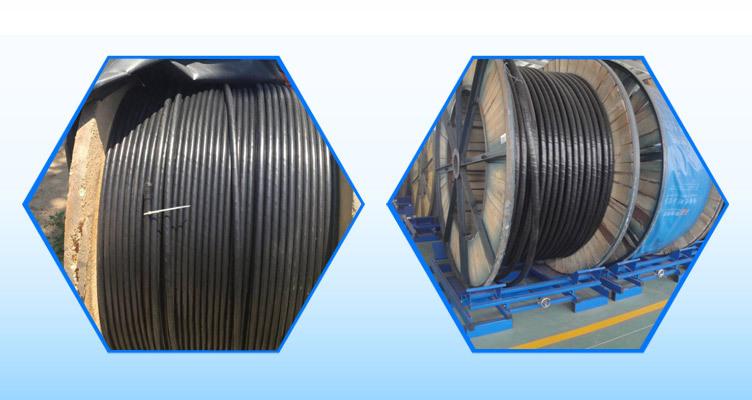
Wire Rope (Steel Cable) — Best for Heavy Hoisting
Common uses
Crane lifting
Winches
Heavy machinery hoisting
Structural lifting operations
Why it’s used
Extremely high tensile strength
Minimal stretch under load
Excellent abrasion and heat resistance
Limitations
Heavy and inflexible
Can corrode if not maintained
Requires proper fittings and inspection
Best choice when:
✔ Load weight is high
✔ Precision and minimal stretch are critical
Synthetic Rope (Nylon, Polyester, HMPE) — Best for Vehicle Stabilization
Nylon Rope
High strength with controlled stretch
Absorbs shock loads well
Use case: Vehicle recovery and dynamic loads
Polyester Rope
Low stretch
Strong and weather-resistant
Use case: Vehicle stabilization, tie-downs, static holding
HMPE Rope (Dyneema® / Spectra®)
Steel-like strength at a fraction of the weight
Very low stretch
Floats and resists chemicals
Use case: Winching, off-road recovery, portable hoisting systems
Webbing Straps & Slings — Safer for Stabilizing Loads
Common uses
Vehicle stabilization
Load restraint
Temporary anchoring
Why they’re preferred
Wide contact area reduces damage
Easy visual inspection
Less recoil than rope if failure occurs
Best choice when:
✔ Protecting vehicle surfaces
✔ Quick setup is needed
Chain (Not Rope, But Often Used)
Use case
Heavy-duty load securing
Static lifting in industrial environments
Pros
No stretch
Extremely durable
Cons
Heavy
Not suitable for dynamic loads
Quick Selection Guide
Application | Best Option |
Heavy equipment hoisting | Wire rope |
Crane & industrial lifting | Wire rope |
Vehicle stabilization | Polyester rope or webbing |
Vehicle recovery / winching | Nylon or HMPE rope |
High-strength, lightweight | HMPE rope |
Safety Note (Important)
Never use:
Household rope
Damaged or frayed lines
Rope without a rated working load limit (WLL)
Always match rope type to load weight, movement, and environment.
Report this wiki page